For over a decade, Leqihao has been at the forefront of advanced valve manufacturing, specializing in cryogenic, ambient, and high-temperature applications (-196°C to 800°C). Our proprietary technologies and precision engineering set us apart, delivering leak-proof performance and exceptional durability for the most demanding environments—from LNG and industrial gas to chemical and energy sectors.
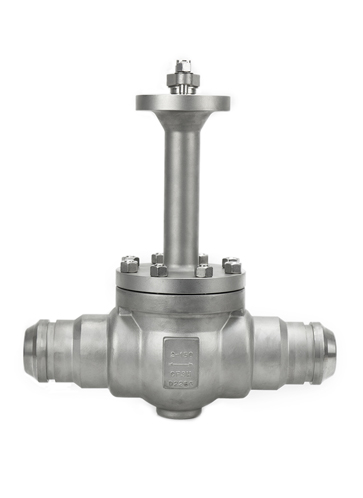
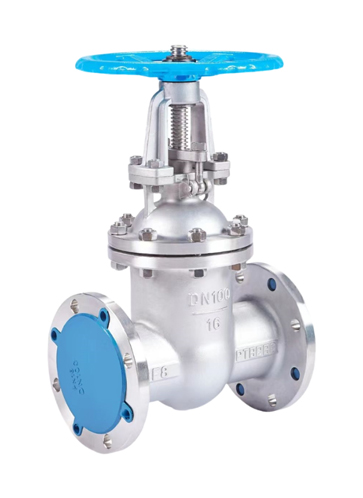
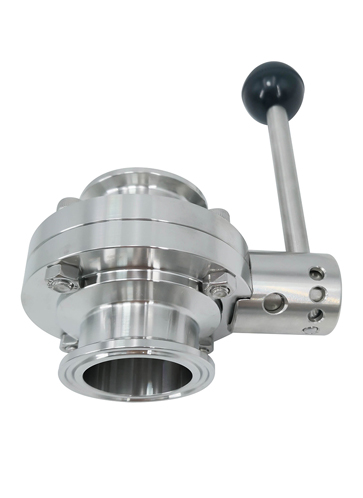
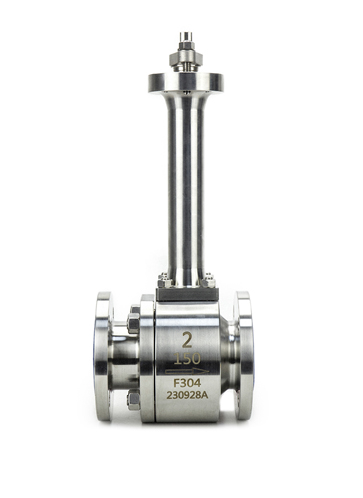
The valve body is made of stainless steel (316L), duplex steel or Hastelloy, supplemented by special coatings (such as tungsten carbide spraying), which can resist acid, alkali and seawater corrosion. Accelerated aging test verification shows that the product life can reach more than 20 years, reducing frequent replacement costs, especially suitable for offshore platforms and chemical processing industries.
It adopts metal hard seal (surfacing or spraying of wear-resistant materials) or bidirectional elastic seal design, passes API 598 high-pressure test (Class 1500), and has a leakage rate of less than 50ppm under 42MPa pressure. The liquid nitrogen cold impact test (-196°C for 1000 cycles without cracks) and LNG tank application verification show zero-fault operation for more than 5 years. With an elastic design and low-temperature torque compensation, it can achieve automatic sealing without relying on medium force under ultra-low pressure. The temperature range is from -196°C to 800°C (high-temperature steam).
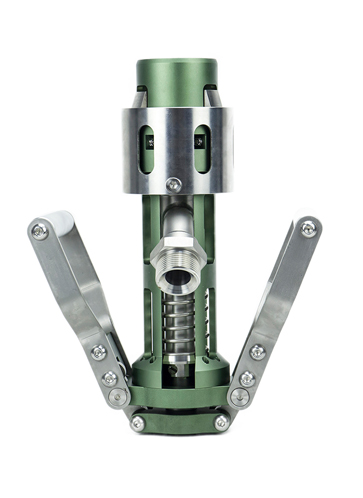
It has obtained API 6D, CE/PED, ISO 15848 (low-leakage certification) and TA-Luft (environmental standards) certifications, meeting compliance requirements in different regions globally. The low-temperature top-mounted patent structure designed and developed by our company can realize online replacement of seals, which is simple and convenient for maintenance, and avoid machine downtime caused by online pipe cutting.
Orders can be started from 1 piece. Non-standard designs are provided according to customer needs, including special sizes, materials (such as titanium alloy) or connection methods (butt welding, flange, etc.). The R&D team cooperates with simulation analysis (CFD/FEA) to ensure perfect matching of the valve with the system.
Production time for custom made valves is on average 15-25 days after receiving the deposit. For ready stocks, we could dispatch the shipment usually in 72 hours.
Wearing parts would be under warranty for 1 year and core components for 3 years.
Cryogenic valves are specialized valves designed to control the flow of fluids at extremely low temperatures, typically below -100°C. They are used in applications such as liquefied natural gas (LNG), ethylene, and other cryogenic processes.
Common materials for cryogenic valves include austenitic stainless steels like ASTM A351 CF8M, CF3M, CF8, and CF3, as well as nickel-based alloys and aluminum alloys. These materials are chosen for their excellent low-temperature toughness and resistance to brittle fracture.
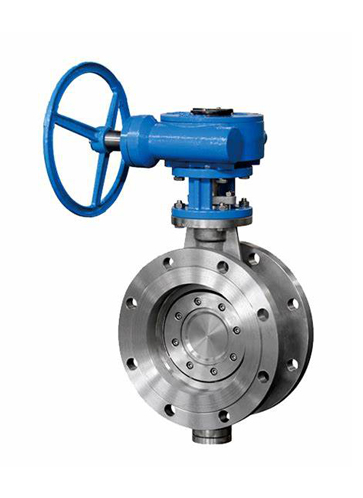
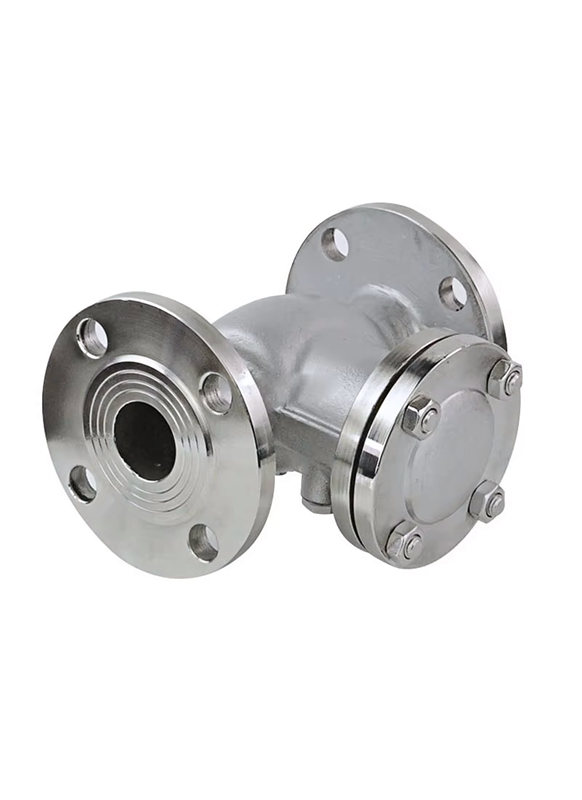
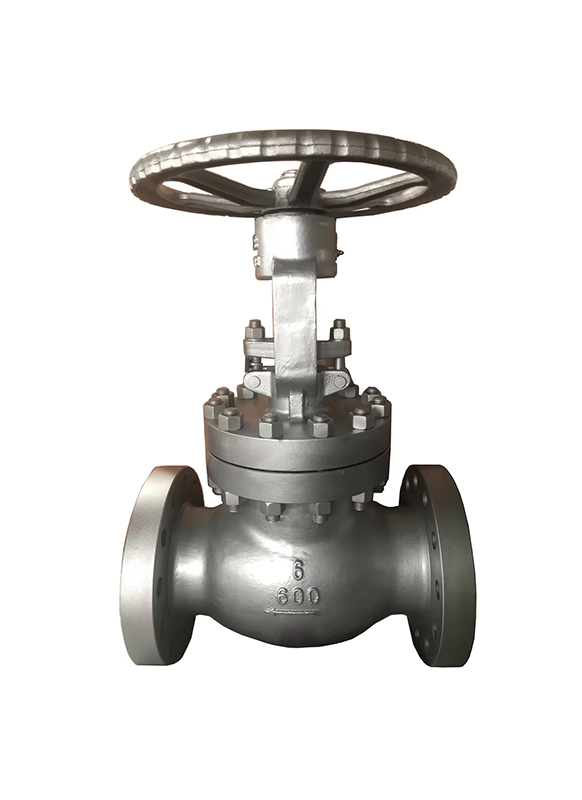
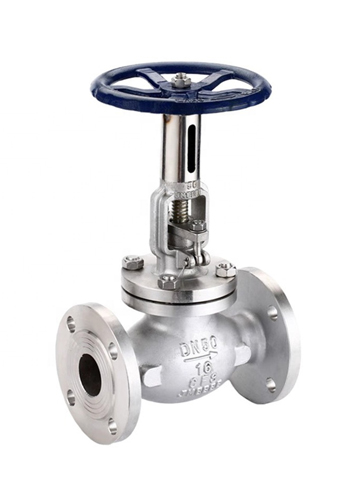
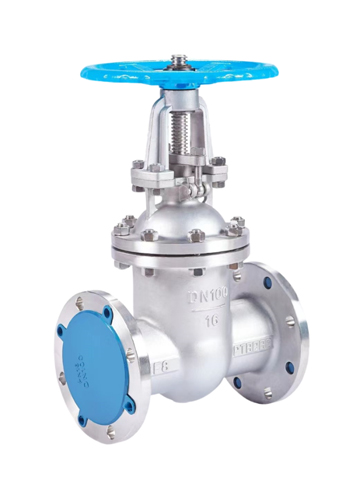
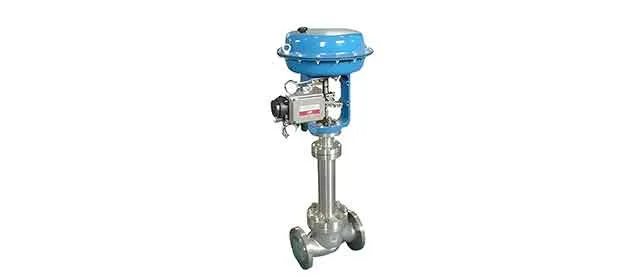
There are various types of cryogenic valves, including globe valves, gate valves, ball valves, check valves, and butterfly valves. Each type is designed to meet specific application requirements in terms of flow control, pressure rating, and temperature range.
Seat leakage in cryogenic valves can lead to significant issues because the leaking fluid can cause rapid freezing and potentially damage the valve components. Proper sealing is crucial to prevent such problems and ensure the safe operation of the system.
Selecting the right cryogenic valve involves considering factors such as the type of cryogenic fluid, operating temperature and pressure, flow rate, and the specific requirements of the application. It is important to consult with valve manufacturers or experts who have experience in cryogenic systems to ensure the best choice.
Cryogenic valves require regular maintenance to ensure their continued reliability and safety. This includes periodic inspections, cleaning, lubrication (where applicable), and testing for seat leakage and other potential issues. Proper maintenance helps extend the valve's lifespan and prevent unexpected failures.