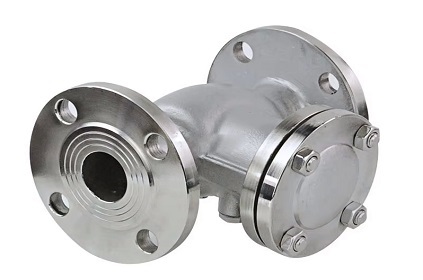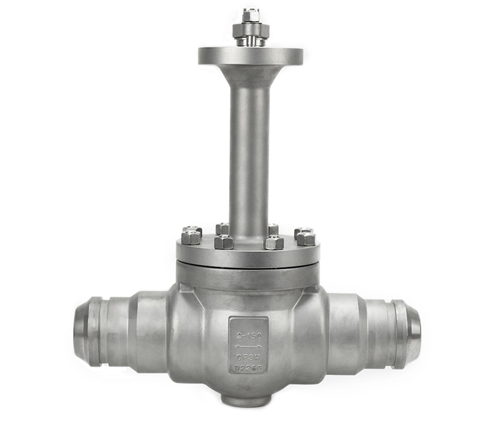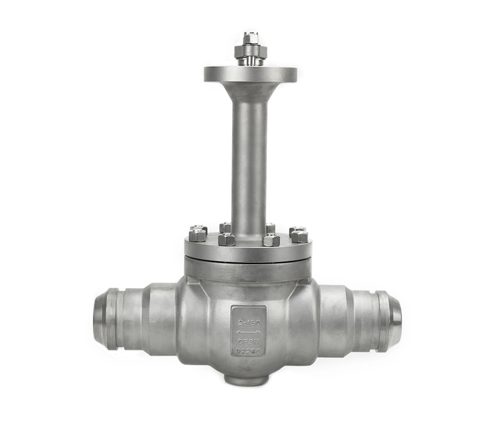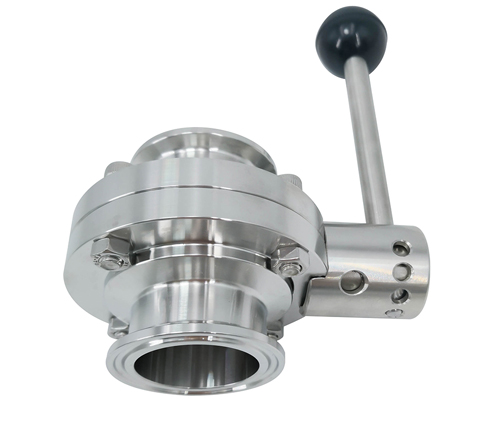
In the demanding world of industrial operations, cryogenic valves play a pivotal role in managing fluids at ultra-low temperatures. Designed to withstand and perform reliably from -40°F (-40°C) down to below -320°F (-196°C), these specialized valves are essential in sectors like petrochemicals, aerospace, and natural gas processing. At LQH Valve, we specialize in high-performance cryogenic valves engineered for safety, durability, and efficiency. Whether you're handling LNG or cryogenic fuels, our valves ensure leak-proof operation and compliance with global standards.
In this comprehensive guide, we'll explore the key applications of cryogenic valves, popular types available from manufacturers like LQH Valve, essential industry standards, and rigorous testing protocols. If you're searching for reliable cryogenic valve suppliers, read on to discover how LQH Valve can support your next project.
Cryogenic valves are indispensable in environments where extreme cold enhances efficiency, safety, and storage capabilities. By maintaining fluids in a liquid state at low pressures, they enable safer transport and processing. At LQH Valve, our cryogenic valves are tailored for these high-stakes applications, helping industries minimize risks like corrosion and leaks.
The oil and gas sector relies heavily on cryogenic valves for controlling liquefied gases such as natural gas (LNG), nitrogen, methane, and helium. Cooling these gases to cryogenic levels allows for compact, non-pressurized storage and transport—reducing costs and enhancing safety. Before liquefaction, impurities like moisture, CO2, and H2S must be removed to prevent downstream corrosion, a process where LQH Valve's precision-engineered cryogenic ball valves excel.
Our valves feature extended bonnets to isolate packing from extreme cold, ensuring smooth operation in LNG terminals worldwide. For more on our LNG solutions, explore LQH Valve's LNG valve range.
Since the commercialization of cryogenics in the 1960s, this technology has revolutionized industries. Cryogenic tempering extends tool life by 2-4 times compared to traditional heat treatment, making cryogenic valves a staple in steel mills and metal fabrication. Beyond manufacturing, they're vital for flash-freezing foods and preserving biotech products like vaccines.
LQH Valve provides robust cryogenic globe valves for these processes, offering superior sealing to handle sensitive, low-lubricity fluids without erosion. Contact us today for custom cryogenic processing solutions that boost your production efficiency.
In aerospace, cryogenic valves manage propellants like liquid hydrogen and oxygen, powering rockets and space vehicles. These fuels deliver unmatched thrust when combined with jet systems, but require valves that prevent leaks and withstand thermal shocks.
LQH Valve's cryogenic gate valves are trusted in aerospace for their minimal pressure drop and metal-to-metal seals, ensuring mission-critical reliability. Discover how our aerospace-grade valves can elevate your designs at LQH Valve Aerospace.
Selecting the ideal cryogenic valve type depends on flow rates, pressure, and sealing needs. All LQH Valve cryogenic valves prioritize bubble-tight shutoff to avoid hazardous leaks from sensitive fluids. Here's a breakdown of the most common types we offer:
Triple-offset cryogenic butterfly valves from LQH Valve provide non-friction, metal-to-metal sealing for long-term integrity. Ideal for quick actuation and remote operation, they minimize torque and wear—perfect for large-scale LNG flows.
Our Durco-inspired models deliver low-maintenance performance. Learn more about LQH cryogenic butterfly valves.
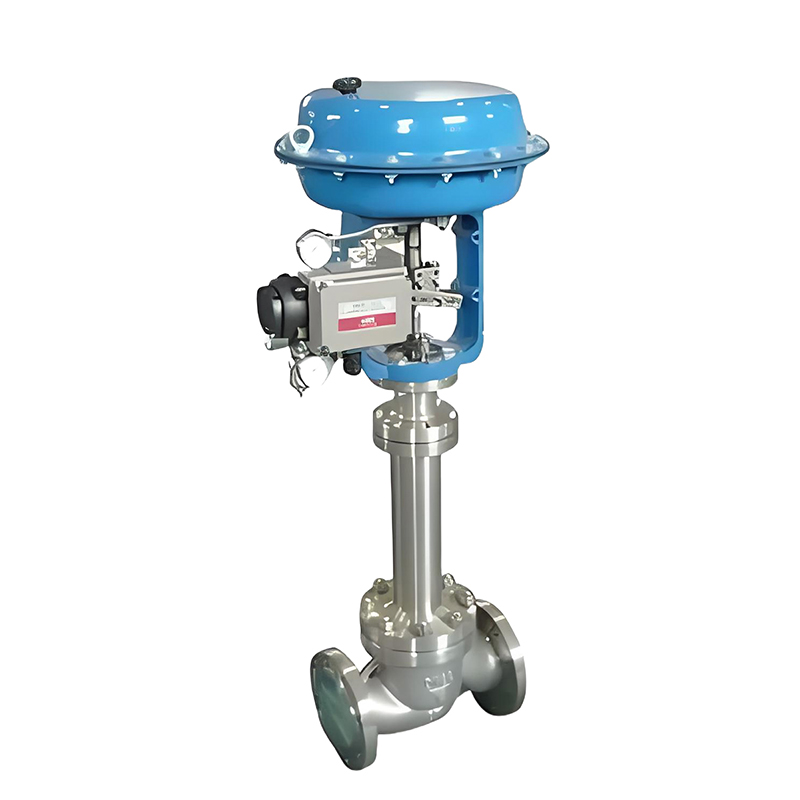
With a 90° disc rotation for precise throttling, cryogenic globe valves excel in long-term sealing but suit lower flow rates. LQH Valve enhances them with full Stellite trim to combat erosion from unlubricated cryogenic fluids.
For applications needing durability over high velocity, our globe valves are the go-to choice.
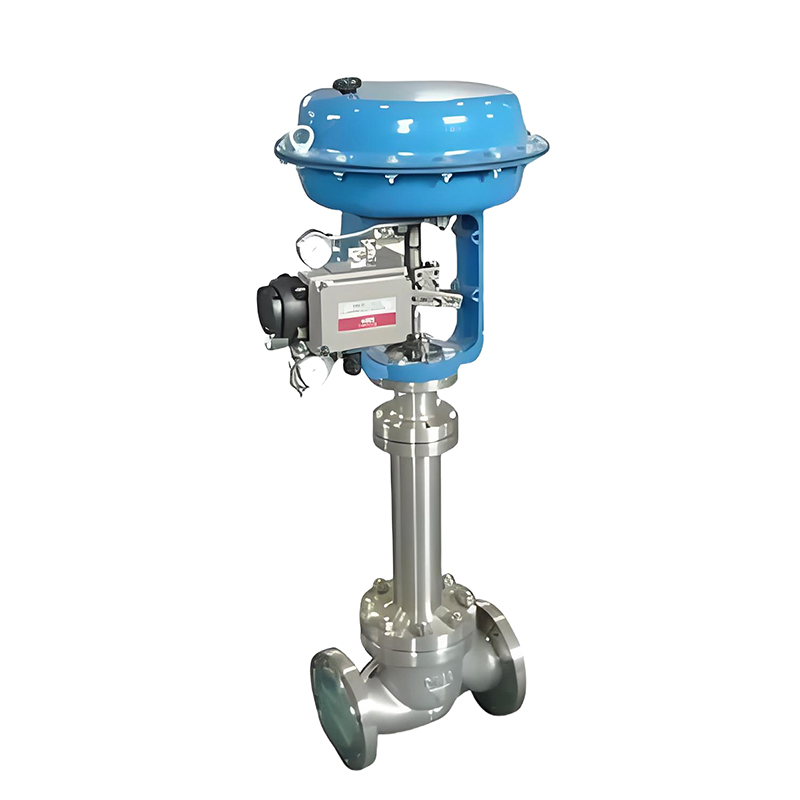
Double-seal cryogenic ball valves offer superior flow and tight shutoff, with vapor spaces to keep packing at ambient temperatures. LQH Valve's designs, inspired by industry leaders, minimize thermal conductivity for unrestricted paths.
Browse our cryogenic ball valve collection for options in LNG and helium handling.
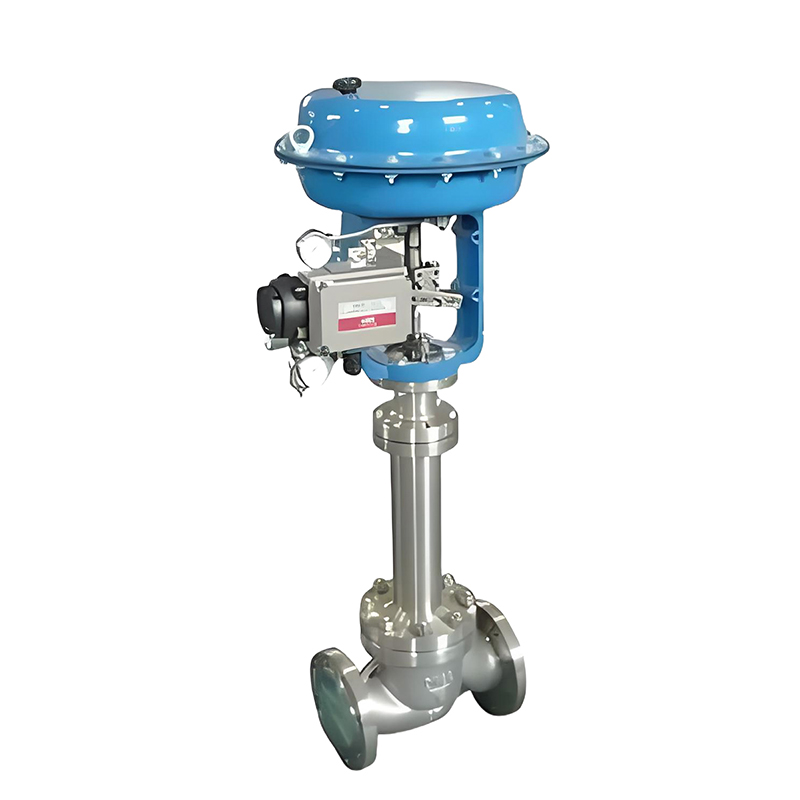
Featuring wedge gates for full-open minimal pressure drop, cryogenic gate valves are cost-effective for large diameters. LQH Valve's full Stellite-trimmed models resist wear from frequent cycles, outperforming balls in erosion-prone setups—though they're best for infrequent actuation.
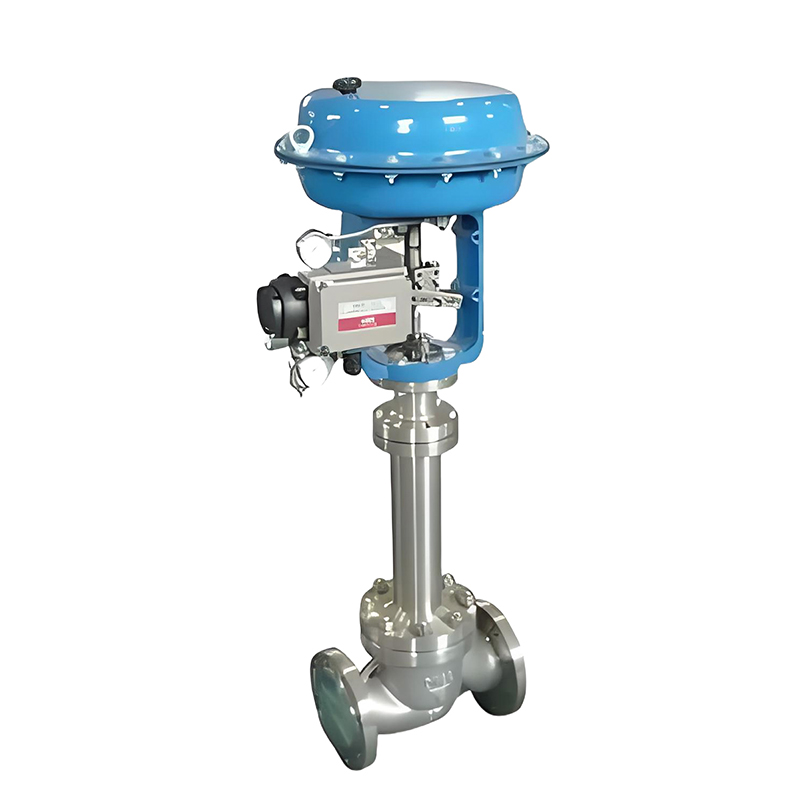
Check out our LQH cryogenic gate valves for heavy-duty reliability.
| Valve Type | Best For | Key Advantages | LQH Valve Features |
|---|---|---|---|
| Butterfly | Quick remote operation | Low torque, bubble-tight seal | Triple-offset design, Stellite trim |
| Globe | Throttling & sealing | Erosion resistance | Full Stellite protection |
| Ball | High flow, tight seal | Vapor space for packing | Double-seal, low conductivity |
| Gate | Large sizes, low drop | Metal-to-metal durability | Wedge gate, full trim |
Compliance ensures safety and interoperability. LQH Valve adheres to global cryogenic valve standards, manufacturing to exact specifications for peace of mind.
This standard governs materials, design, and testing for valves with body/bonnet extensions. Key points include seamless materials from ASME B16.34 Table 1, extensions for temps below -100°F (-73°C), and one-piece stems. LQH Valve's production testing follows ASME B16.34 for shell integrity.
BS 6364 details design, manufacturing, and testing for cryogenic service, emphasizing low-temperature ductility and leak-proof bonnets. Our valves meet these for European LNG projects.
Covering flanges, threads, and ends, ASME B16.34 mandates material lists and NDE per ASME VIII. LQH Valve integrates this for pressure-retaining components.
ISO 21011 requires materials per ISO 21028 (ductile at min temps), extended stems for packing, and no trapping cavities. Non-metallics must resist aging, with copper limits for acetylene. LQH Valve ensures full compatibility.
API 6D: Pipeline valves for LNG transport.
ASME B31.3: Process piping materials.
NACE MR0175: Corrosion resistance in sour service.
For full compliance details, download our standards brochure.
Cryogenic valve testing verifies performance under extremes. LQH Valve conducts shell, seat, and low-emission tests per ASME B16.34, plus cryogenic-specific checks like:
Helium Leak Testing: Detects micro-leaks at -196°C.
Impact Testing: Ensures ductility per Charpy V-notch.
Thermal Cycle Testing: Simulates repeated cold exposures.
Production Pressure Tests: Hydrostatic/pneumatic per purchase specs, followed by drying.
Our in-house facilities guarantee every valve meets or exceeds requirements. Schedule a testing consultation at LQH Valve Testing Services.
With decades of expertise, LQH Valve delivers cryogenic valves that outperform in the harshest conditions. From custom trims to rapid prototyping, we're your partner for innovation and reliability. Ready to optimize your system? Contact LQH Valve today for a free quote or expert advice.