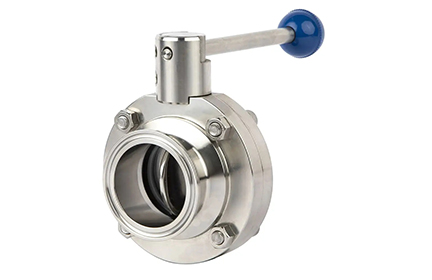
When dealing with ultra-low-temperature environments, standard valves simply won't cut it. That's where LQH Cryogenic Valves come into play. Engineered to perform flawlessly in temperatures as low as -196°C (-320°F), LQH's cryogenic valves are designed for industries like LNG, aerospace, medical gas, and industrial gas processing.
But what makes LQH stand out in the cryogenic valve market? In this blog, we'll explore their key features, applications, and advantages that make them the top choice for extreme cold fluid control.
Unlike conventional valves that can fail or crack under extreme cold, LQH Cryogenic Valves are specifically built for deep-freeze conditions. Here’s what sets them apart:
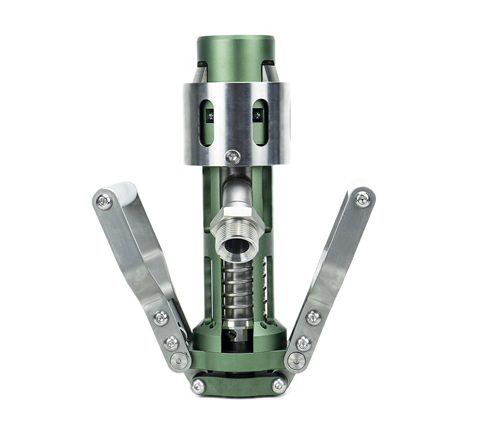
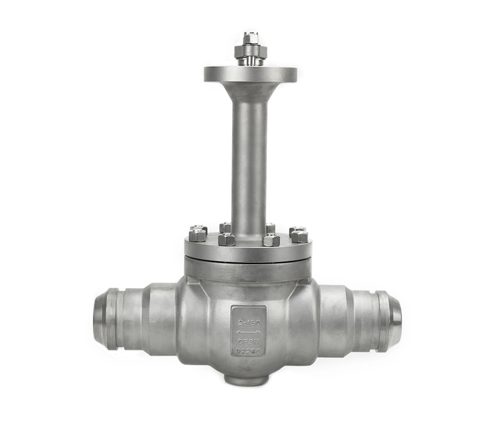
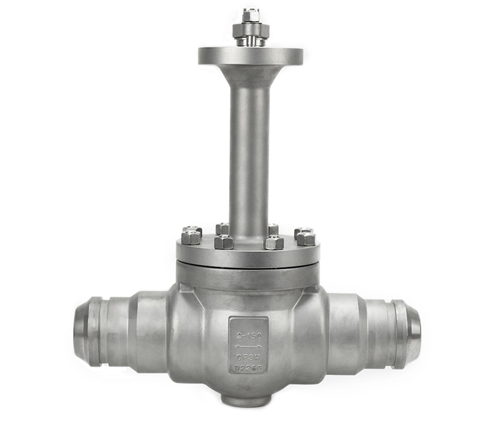
Extended Bonnet Design – Minimizes heat transfer to the seals, preventing frost buildup and ensuring smooth operation.
High-Performance Seat Material – Utilizes PTFE, graphite, or metal seals that remain flexible even in cryogenic temperatures, reducing leakage risks.
Robust Construction – Made from stainless steel (316L) or high-grade alloys to resist brittleness at subzero conditions.
Bubble-Tight Shutoff – Precision engineering ensures zero leakage, critical for hazardous gases like LNG or liquid oxygen.
Whether it's handling liquid nitrogen, hydrogen, or helium, LQH valves guarantee reliability, durability, and long-term performance—even in the harshest environments.
Cryogenic technology has revolutionized several industries, and LQH valves play a vital role in these demanding sectors:
With LNG becoming a major energy source, valve reliability is non-negotiable. LQH Cryogenic Valves ensure safe and efficient flow control in LNG terminals, tankers, and regasification plants.
Cryogenic gases like liquid oxygen (LOX) and liquid nitrogen (LN2) are essential in MRI cooling, cryosurgery, and biostorage. LQH valves provide precise, contamination-free sealing, maintaining product purity.
Spacecraft and rockets rely on cryogenic fuels (liquid hydrogen, oxygen). LQH’s lightweight yet ultra-durable valves meet aerospace-grade standards for leak-proof integrity under extreme pressure and temperature fluctuations.
From air separation plants to semiconductor manufacturing, LQH valves ensure stable flow control for argon, nitrogen, and other ultra-cold industrial gases, minimizing downtime and maintenance costs.
With so many valve manufacturers on the market, why should you trust LQH? Here's the competitive edge they offer:
Third-Party Certified Performance – LQH valves comply with ISO 15848, BS 6364, and API 598 standards, guaranteeing leak-proof and endurance-tested reliability.
Customizable Solutions – Need a specific size, material, or actuation type (pneumatic, electric, or manual)? LQH offers tailor-made cryogenic valves to fit your exact requirements.
Longer Service Life – Unlike cheaper alternatives, LQH valves are built with high-grade materials and advanced sealing tech, reducing wear and tear over time.
Global Support Network – With a reliable distribution and 24/7 technical support, LQH ensures minimal downtime and rapid issue resolution.