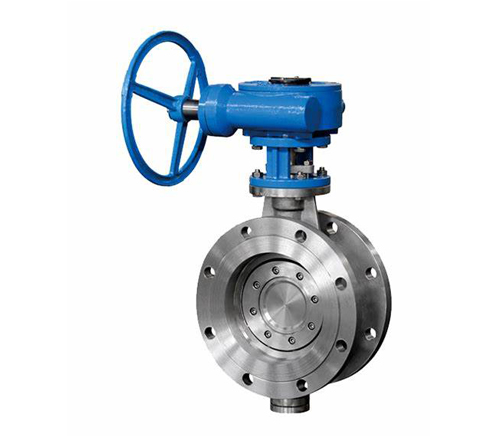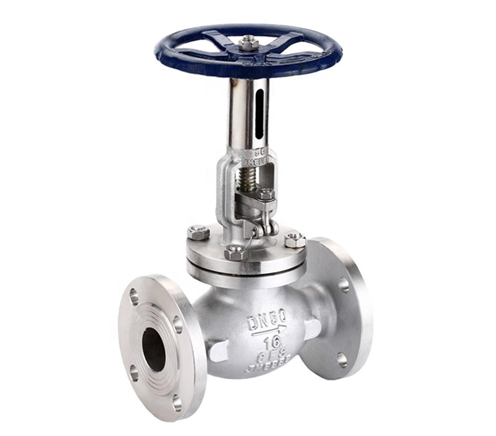
Pressure regulator valves play a pivotal role in maintaining optimal water pressure within plumbing systems, ensuring efficiency and protecting fixtures from damage caused by high pressure. These unassuming yet incredibly vital components help conserve water, increase the lifespan of plumbing infrastructure, and enhance overall performance. As pressure regulator valve systems gain attention for their critical function, understanding their operation, features, and maintenance becomes essential for both industry professionals and homeowners. This article aims to provide in-depth insights into the basic function of pressure regulator valves, their core components and design features, common issues encountered, installation guidelines, and best maintenance practices. Whether you're a seasoned plumber, a DIY enthusiast, or someone exploring options for enhanced water management at home, this guide serves as a comprehensive resource on pressure regulator valves.
The fundamental purpose of a pressure regulator valve in plumbing is to maintain a stable and predetermined pressure level within a system, irrespective of fluctuating upstream supply pressures. This is crucial in protecting appliances and pipes from the damaging effects of excessive pressure while ensuring that all downstream fixtures receive an optimal flow rate. The valve achieves this by mechanically adjusting the internal orifice opening, thereby controlling the flow rate and subsequently the pressure. An excellent analogy lies in the function of a flow control valve, which regulates fluid flow to achieve desired conditions.
Relieving Valve: Protects systems by venting excess pressure.
Reducing Valve: Lowers input pressure to a safer, consistent level.
Much like control valve manufacturers aim for precision and reliability, pressure regulator valves are engineered to offer consistent performance under varying conditions. Their utility spans across residential, commercial, and industrial plumbing systems, making them versatile and indispensable.
A pressure regulator valve is composed of several critical components that ensure its function. Understanding these components can aid in identifying potential issues and performing effective maintenance.
| Component | Description |
|---|---|
| Body | Houses the internal components, typically made of brass or stainless steel for durability. |
| Spring | Provides resistance to maintain the set pressure. |
| Diaphragm | Adjusts the valve opening by reacting to downstream pressure changes. |
| Valve Seat | Controls the flow of water to reduce or maintain pressure. |
The design of these components ensures that the valve can maintain its structural integrity while delivering accurate pressure control. Similar to trunnion mounted ball valve designs, which are known for their balancing and load distribution properties, these components work together seamlessly to regulate pressure effectively.
Despite being durable and reliable, pressure regulator valves can experience issues that diminish their functionality. Recognizing these symptoms early can prevent costly repairs and downtime.
Fluctuating Pressure: May indicate a faulty diaphragm or seat.
Water Hammer: Suggests possible spring tension issues or debris in the valve body.
Leaky Valve: Potential seal degradation or improper installation.
Regular inspection and understanding of check valve types, such as lift check valve and swing check valve, can be vital in diagnosing related malfunction signs in a pressure regulator valve. Avoiding such issues also requires proper installation and adherence to system specifications.
Proper installation of a pressure regulator valve is critical for optimal performance and longevity. Following guidelines similar to the installation of gate valve types or a double check valve can ensure efficient operation.
Positioning: Install upstream of all inlet fixtures for full system coverage.
Proper Orientation: Ensure that the valve is aligned with the correct flow direction, often indicated by an arrow on the valve body.
Tight Connections: Secure all fittings and bolts to prevent leaks but avoid overtightening, which can damage the valve.
Leaning on best practices from globe valve manufacturers and plumbing standards ensures that installations offer the desired outcomes without premature failures.
Consistent maintenance is paramount to extending the operational life of a pressure regulator valve and maintaining system safety. This involves routine check-ups and adjustments to align with varying water supply demands.
Regular Inspection: Inspect components for wear, especially the ball valve replacement parts such as seals and diaphragms.
Testing and Calibration: Periodically test valve performance against preset limits and recalibrate if necessary.
Cleaning: Remove debris and mineral build-up from internal components to maintain smooth valve operation.
Much like maintaining a temperature control valve, proper upkeep of a pressure regulator valve can prevent emergency situations and support efficient system operation.
Understanding and implementing proper use and care for pressure regulator valves offers significant value, enhancing both the efficiency and safety of plumbing systems. Their role in regulating pressure protects against potential water hammer effects and appliance damage, making them indispensable across various applications. By focusing on factors such as material selection, installation, and maintenance—similar to considerations in gate valve manufacturers—ensuring optimal performance becomes a simplified process. As plumbing equipment evolves, integrating advanced solutions will drive further improvements in water management and conservation strategies.
References:
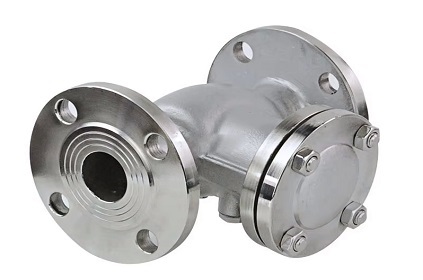
.webp "High temperature gate valve T40-16P")